
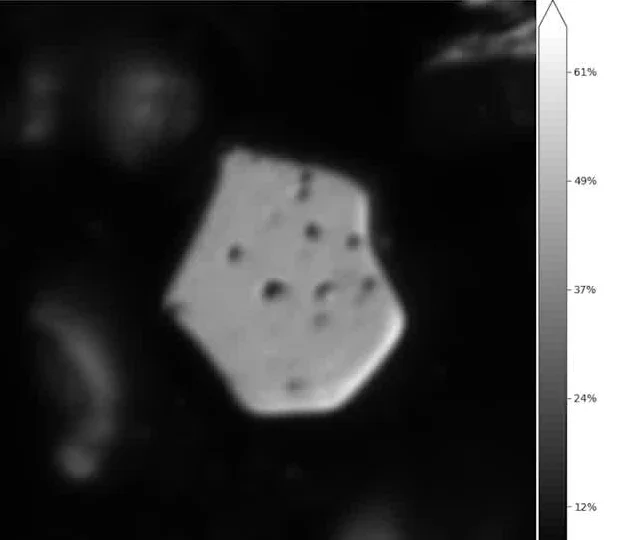
Cathode
Ni-rich NMC, LCO and other layered cathodes. See which particles lag, how facets delithiate and how ageing skews ion flux.
illumionONE is a bench-top charge photometry system for battery materials R&D. It images the state of charge of individual particles inside a working cell, using only light.
Book a demo with your material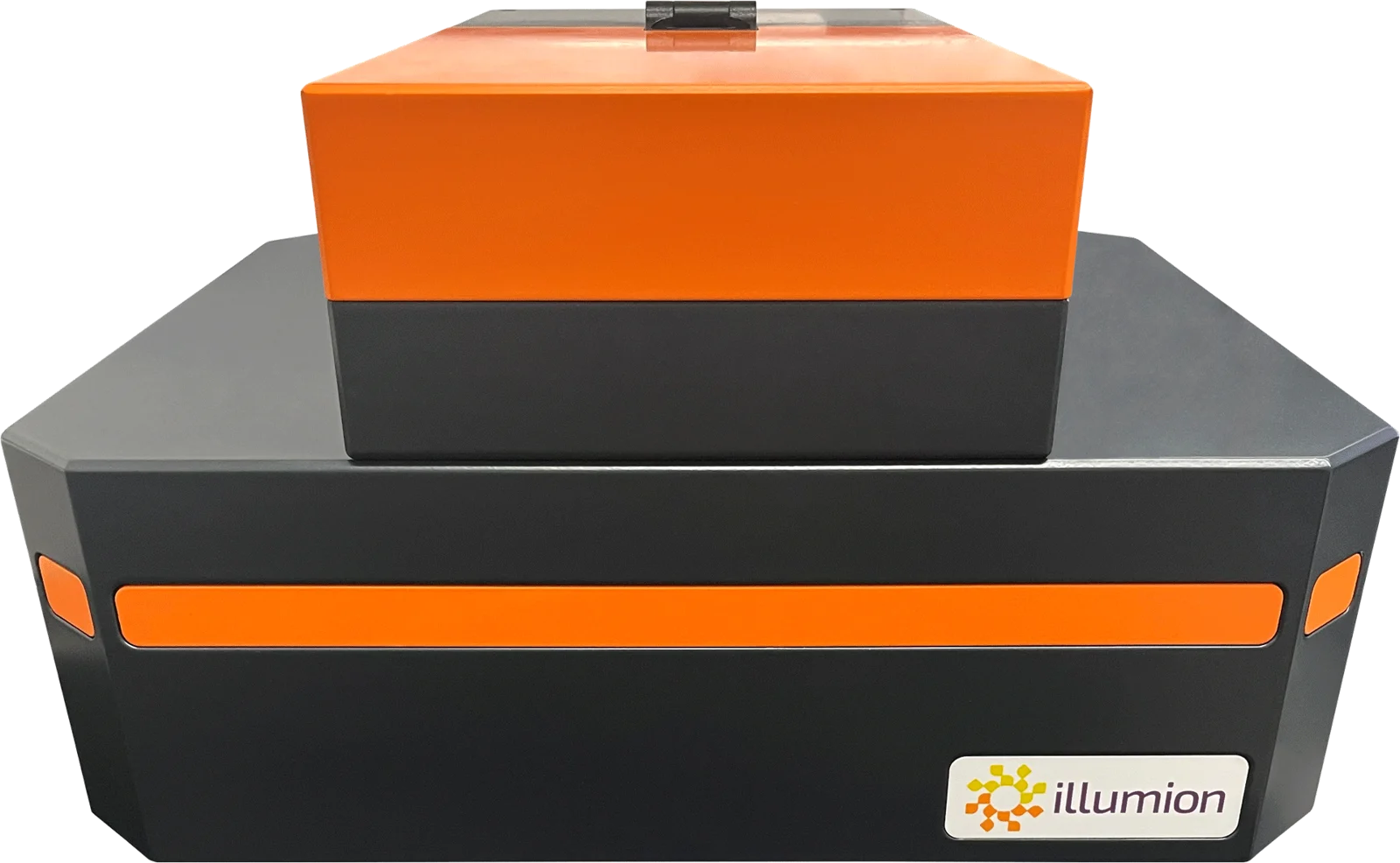
illumionONE, with optically accessible coin cell and integrated potentiostat
Ni-rich NMC, LCO and other layered cathodes. See which particles lag, how facets delithiate and how ageing skews ion flux.
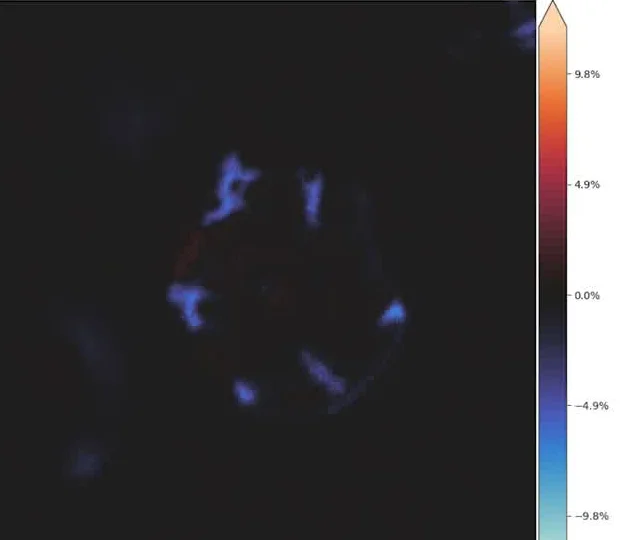
Fast-charging anodes such as NWO and silicon composites. Follow kinetic phase separation, swelling and cracking as the cell cycles.
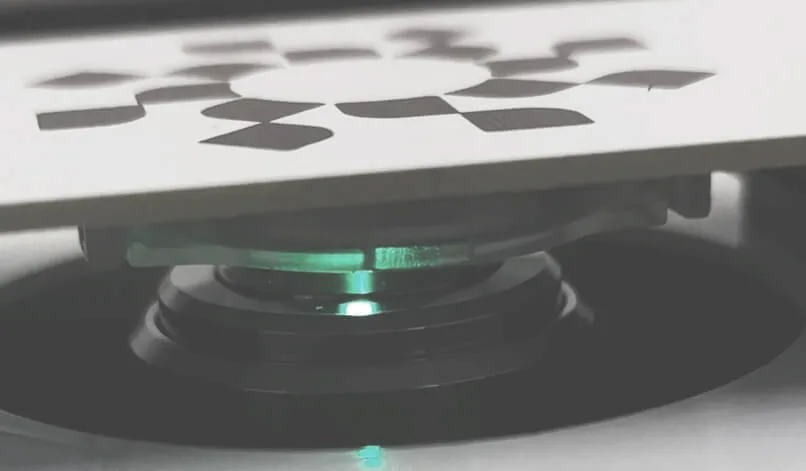
Material agnostic, from Li-ion to sodium-ion layered cathodes. Working on solid-state or another new chemistry? Ask what the optical cell can take.
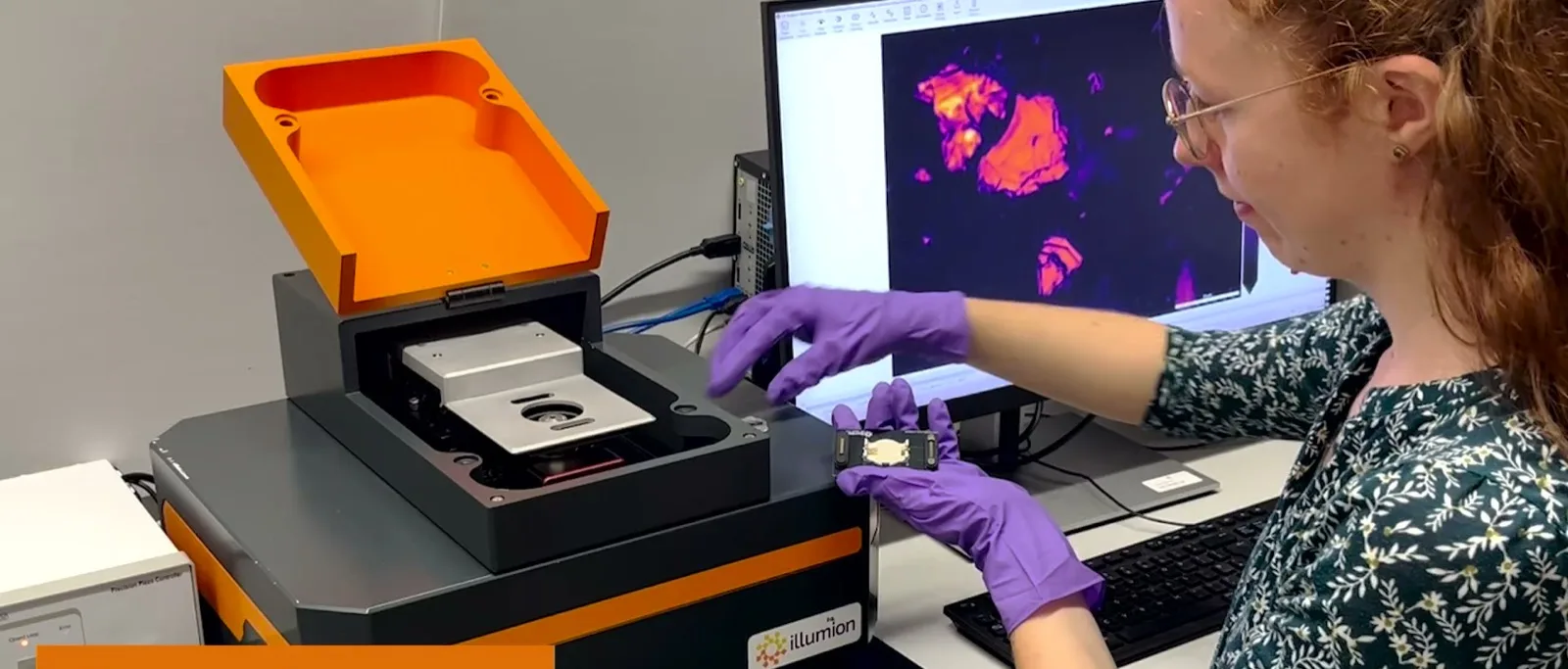
A bench-top instrument for the materials lab today. The next platform, illumionX, is being developed for selected industrial use cases.
Charge photometry reads the light each particle scatters. As ions move in and out, the material's electronic structure changes and so does its brightness. You get the local state of charge of every particle across the electrode while the cell cycles, without electron beams or X-rays.
How charge photometry worksParticles on the separator side charge first, a few stragglers hold back. Drag the slider to see the kind of heterogeneity illumionONE makes visible.
Illustrative simulation drawn in code, not measured data.
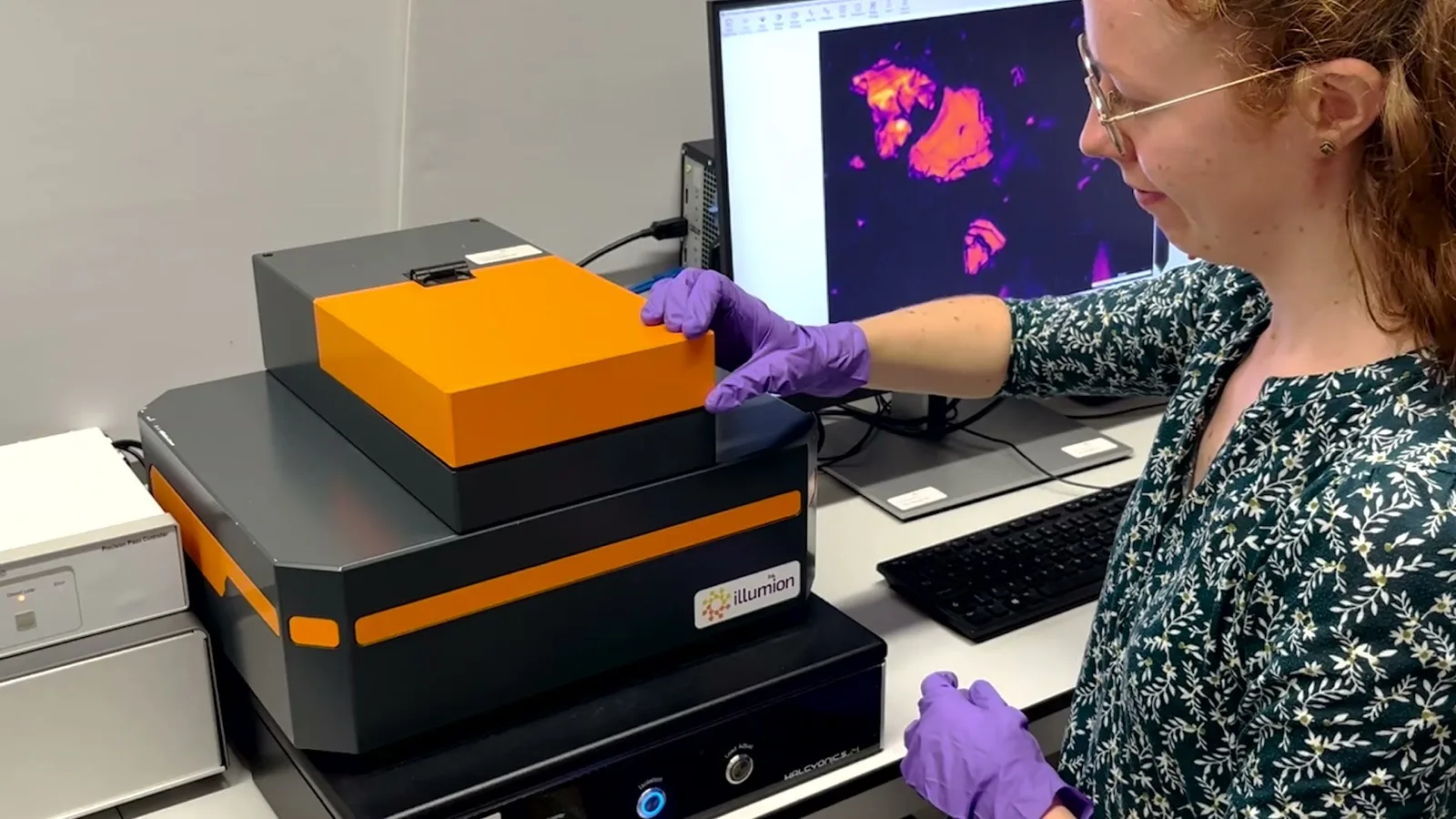
Assemble your electrode stack in the optically accessible coin cell and drop it onto the magnetic cartridge. No beamline booking, no special room.
Define your electrochemical protocol in the acquisition software. The integrated potentiostat cycles the cell while the camera records every particle.
Analyse charge photometry data side by side with the synchronised electrochemistry: particle state of charge, morphology and phase transitions, then export.
Laura Wheatcroft, Scientist, Nyobolt“One of the most user-friendly devices for in-operando battery testing I’ve ever used.”
Charge photometry was first published by illumion’s co-founders in Nature. Since then it has resolved anode, cathode and sodium-ion behaviour in leading journals.
In October 2026 ZEISS Ventures joined Foresight Group and our existing investors in a £1.7M round. It funds the next steps for illumionONE and the development of illumionX.
Read the ZEISS press release“Illumion combines scientific excellence with innovative imaging technology for battery research.”Dr. Boris Hofmann, Head of ZEISS Ventures
With Foresight Group, Cambridge Enterprise Ventures, Parkwalk, Cambridge Angels and YourVC.






Partners across battery manufacturing, materials science and research
Tell us what you are developing. We will show you what charge photometry can see in it, on your data or ours.
Request a demo